Approach
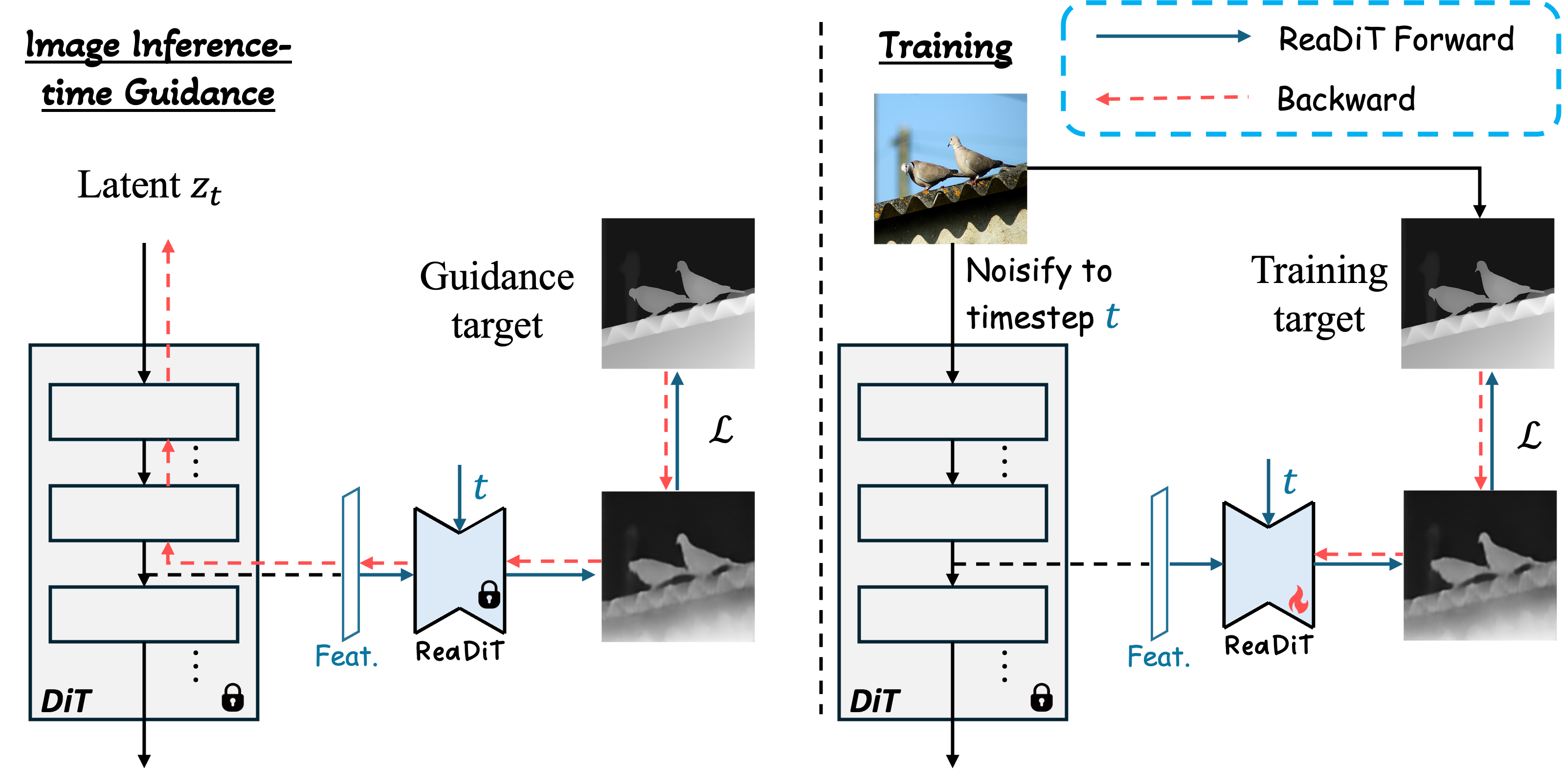
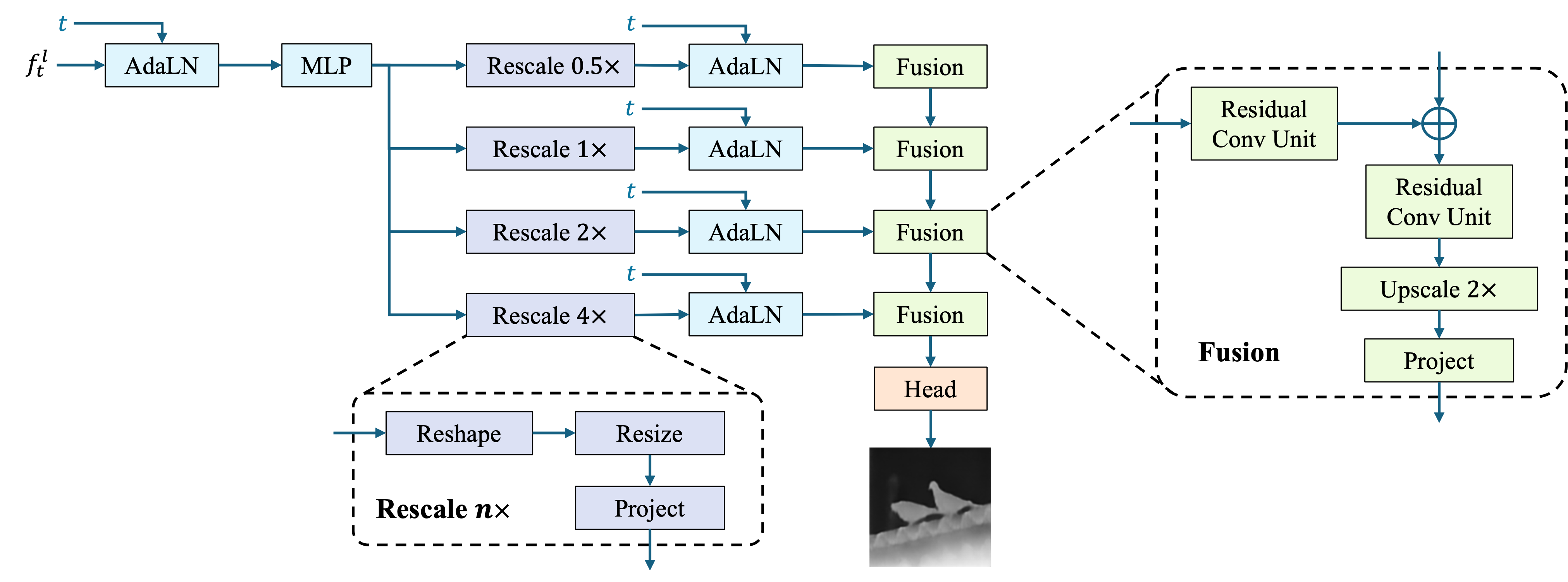
We present DiT Readout (ReaDiT) Guidance, a lightweight framework for controlling generation with Diffusion Transformer (DiT) models via their internal feature representations. ReaDiT Guidance uses features from a single DiT block to steer the generative process according to spatial targets — depth, pose, or edge maps — provided at test time. Since modern text-to-video models are largely built on DiT backbones, ReaDiT Guidance naturally extends to video generation, enabling camera and motion control. Our approach achieves competitive or improved results compared to existing feature-based and adapter-based approaches while requiring significantly fewer parameters.
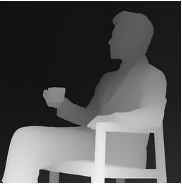
ReaDiT predicts dense spatial maps from frozen DiT features at any denoising timestep.
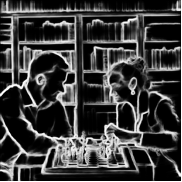
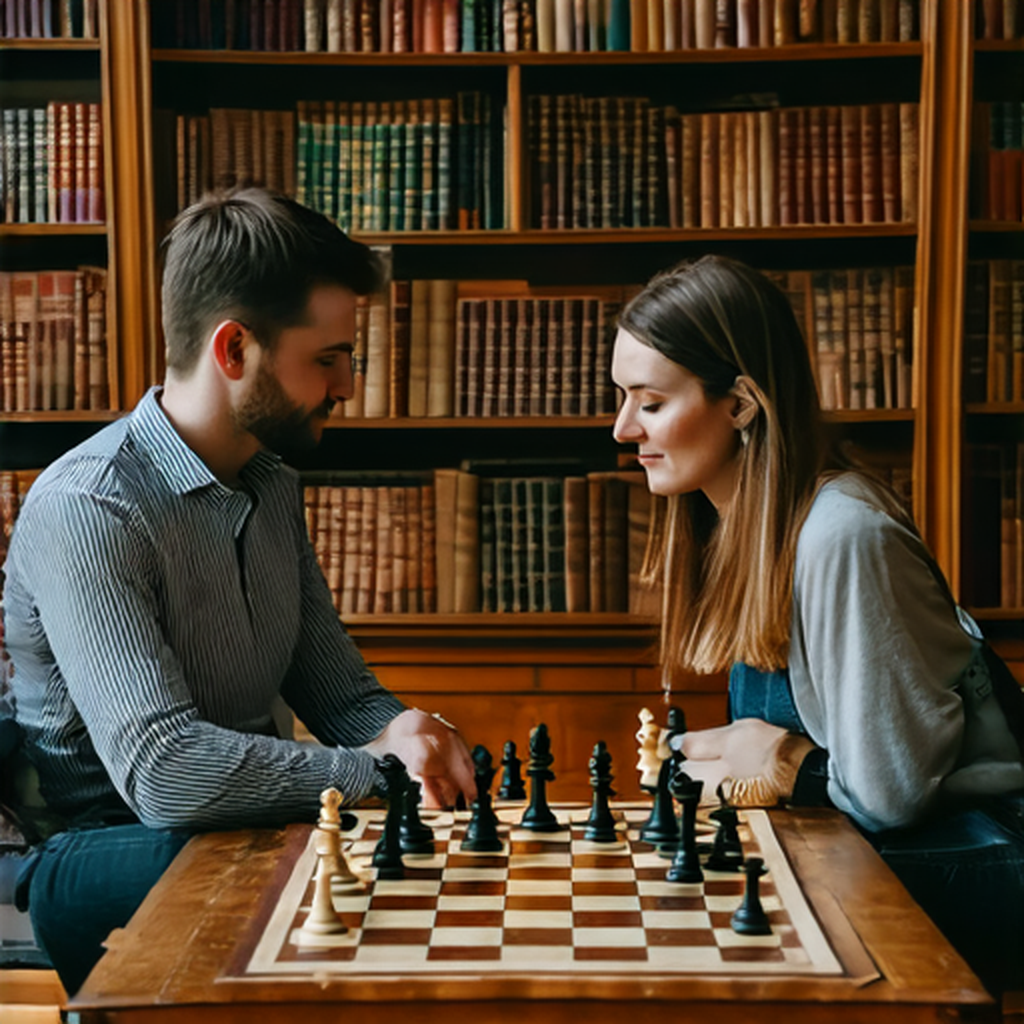
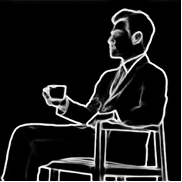
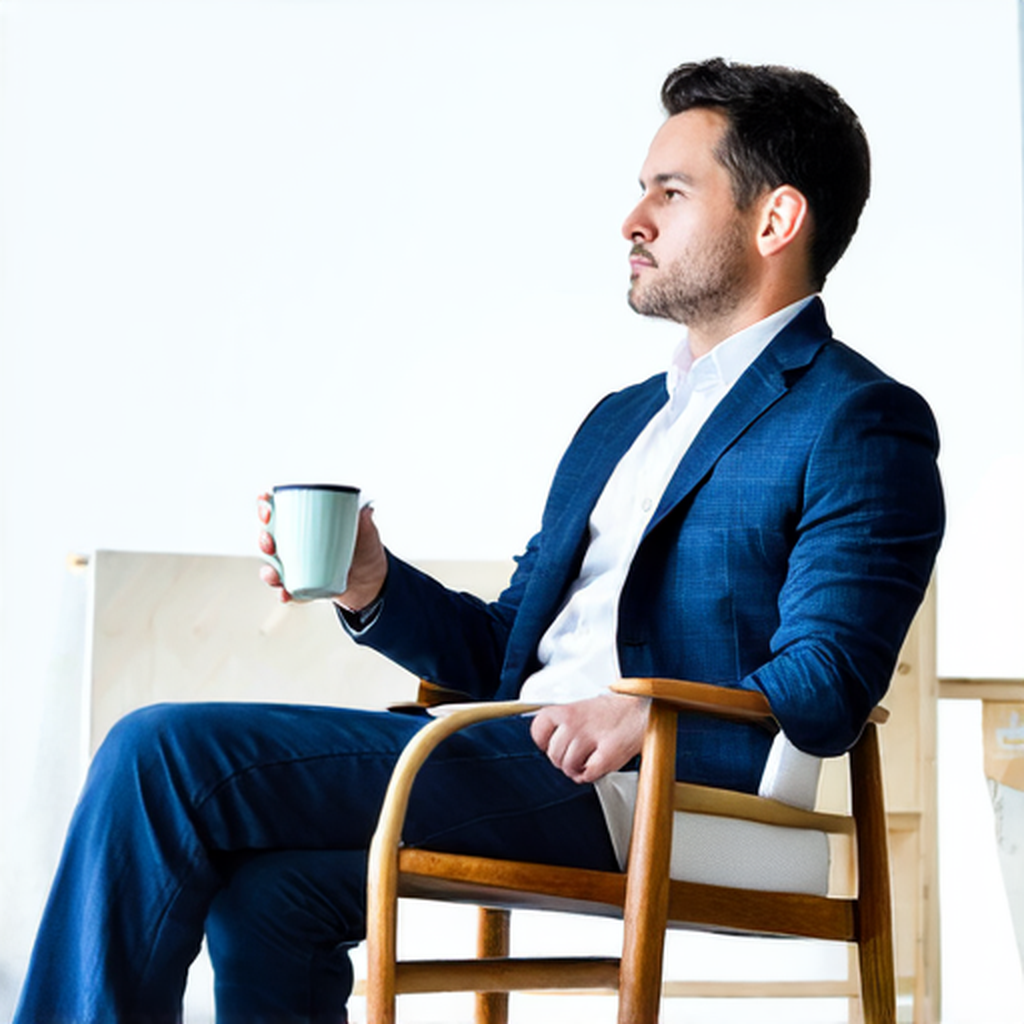
Given a spatial guidance map, ReaDiT steers generation to match the target layout while maintaining image quality and prompt adherence.
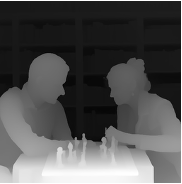
A couple playing chess


A person holding a cup
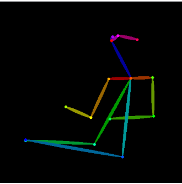


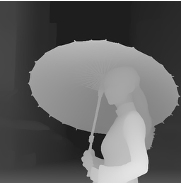
A girl holding an umbrella
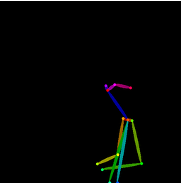
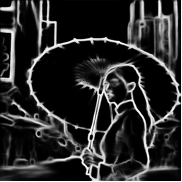
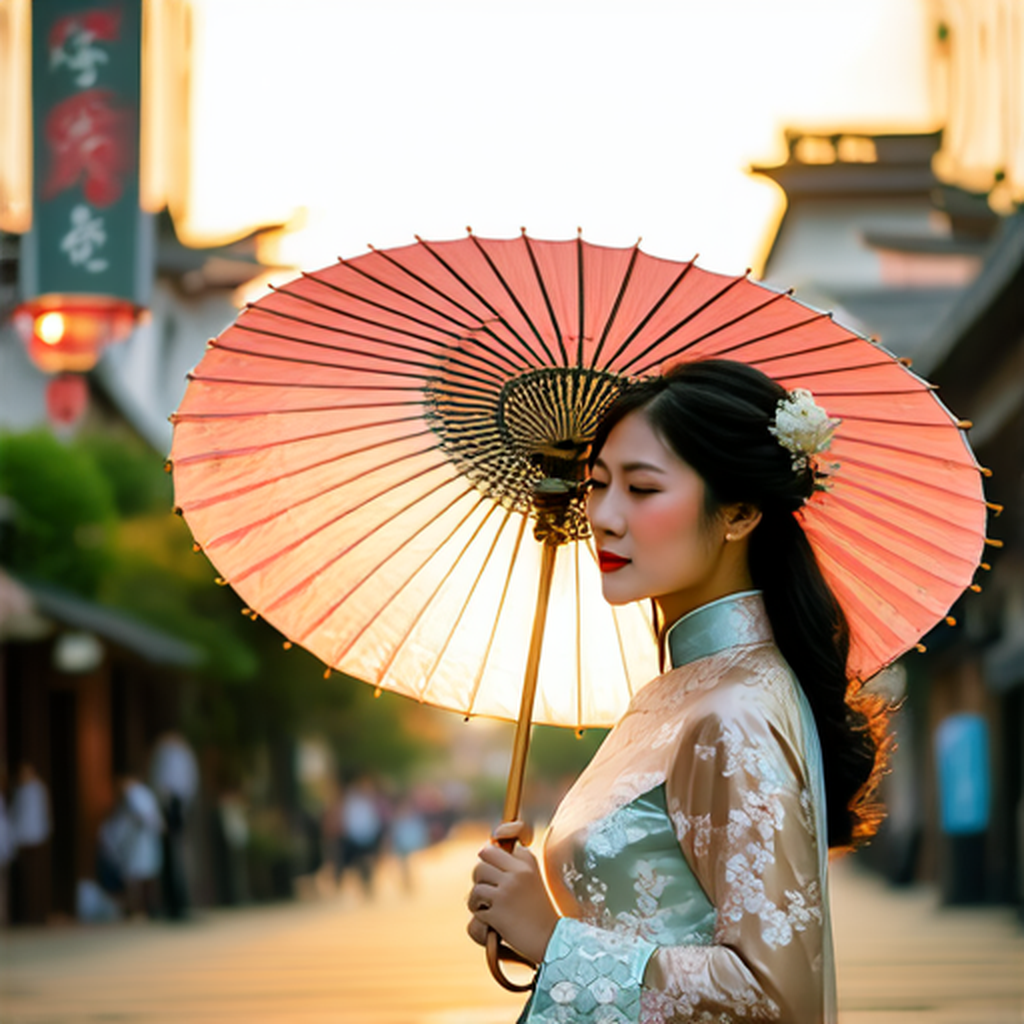
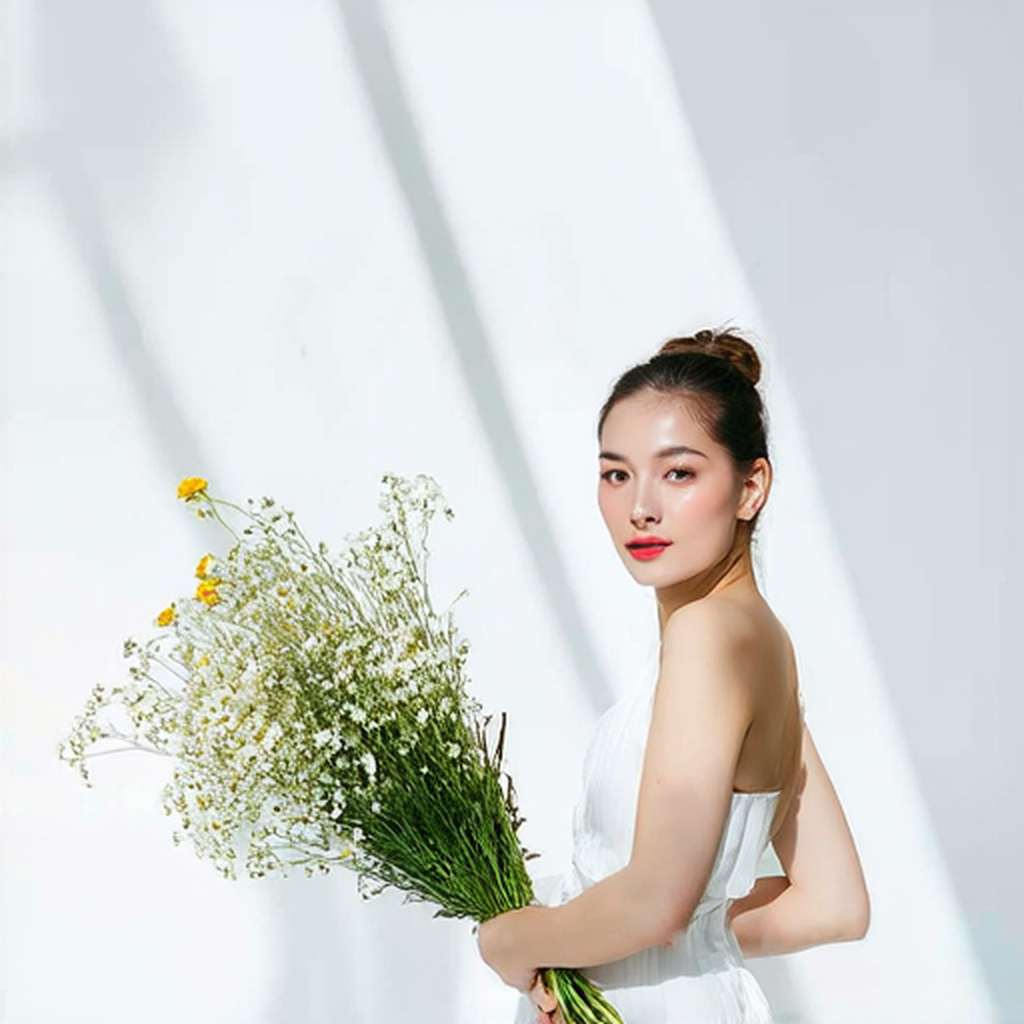
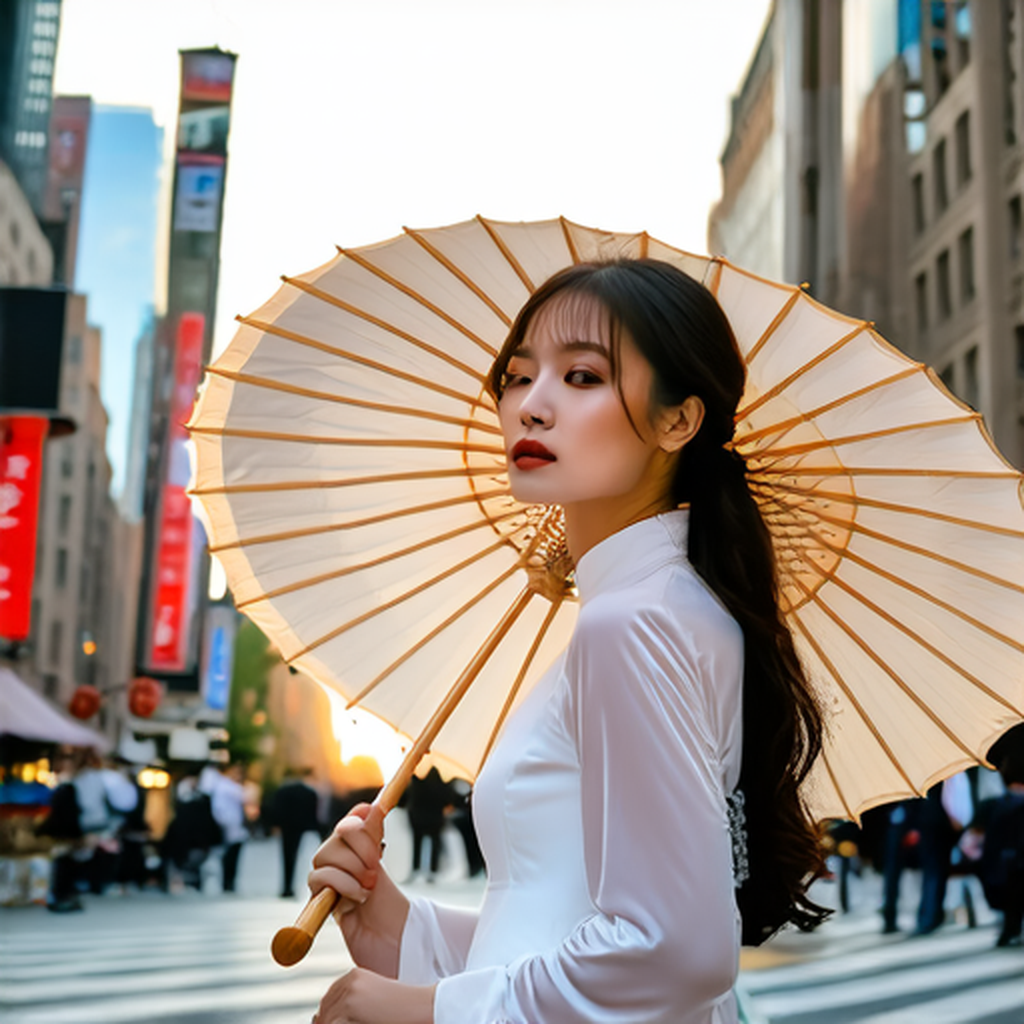
A standing girl in a studio
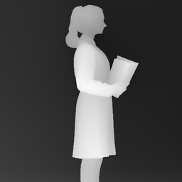
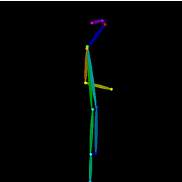
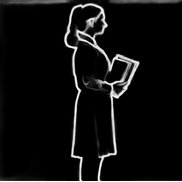
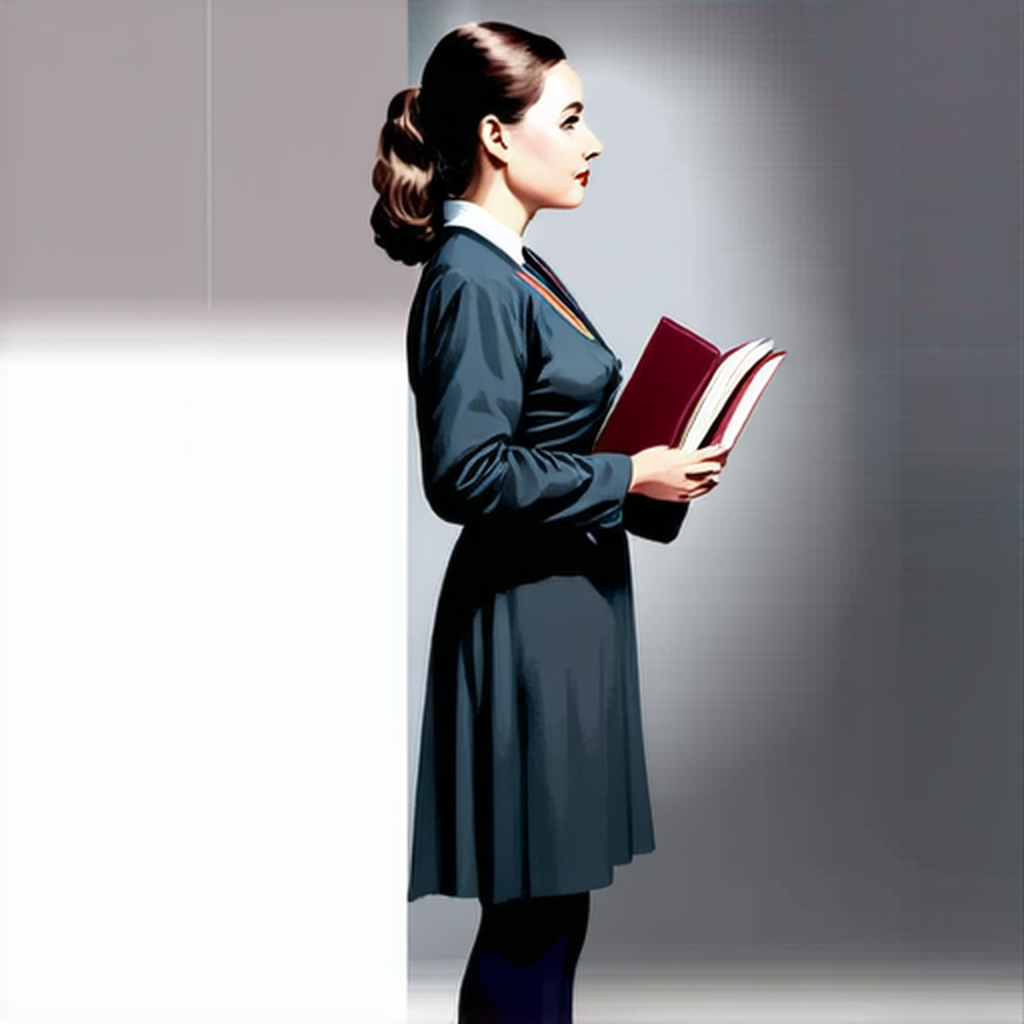
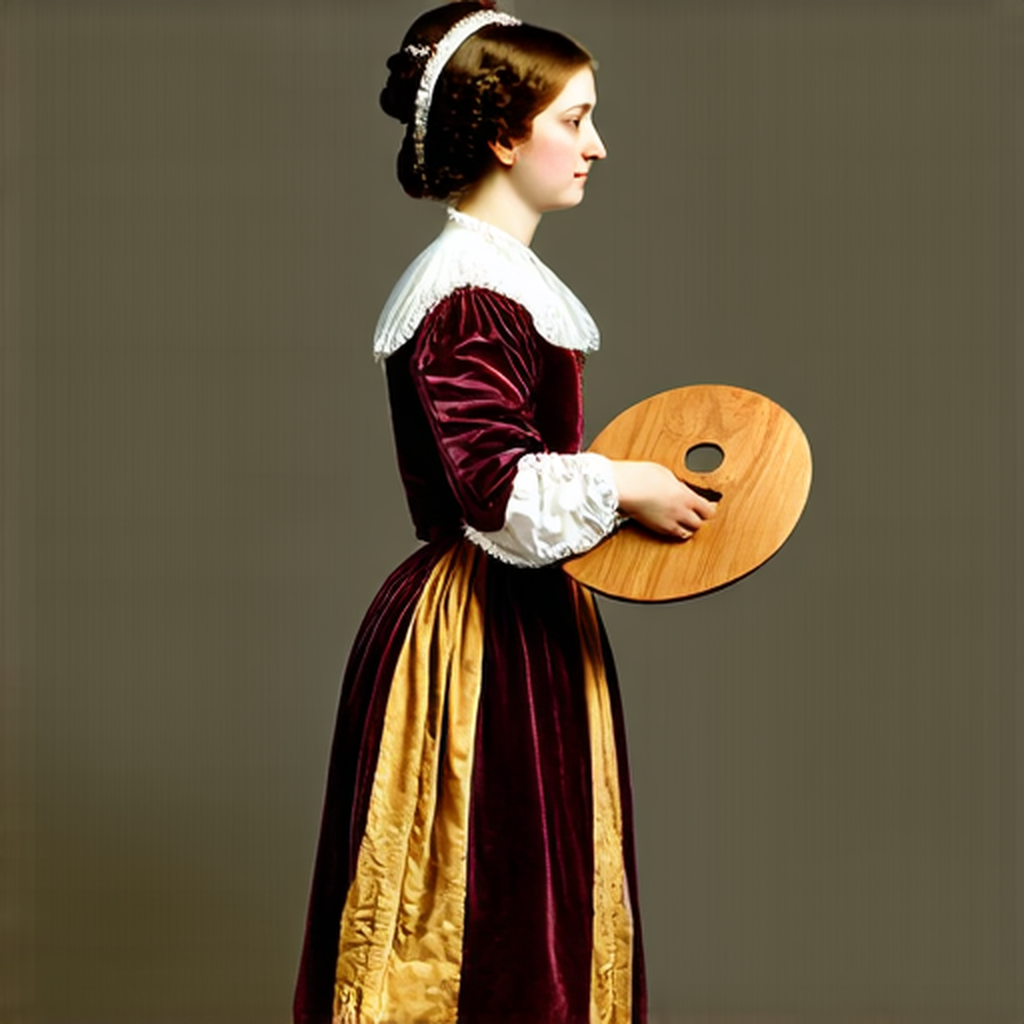
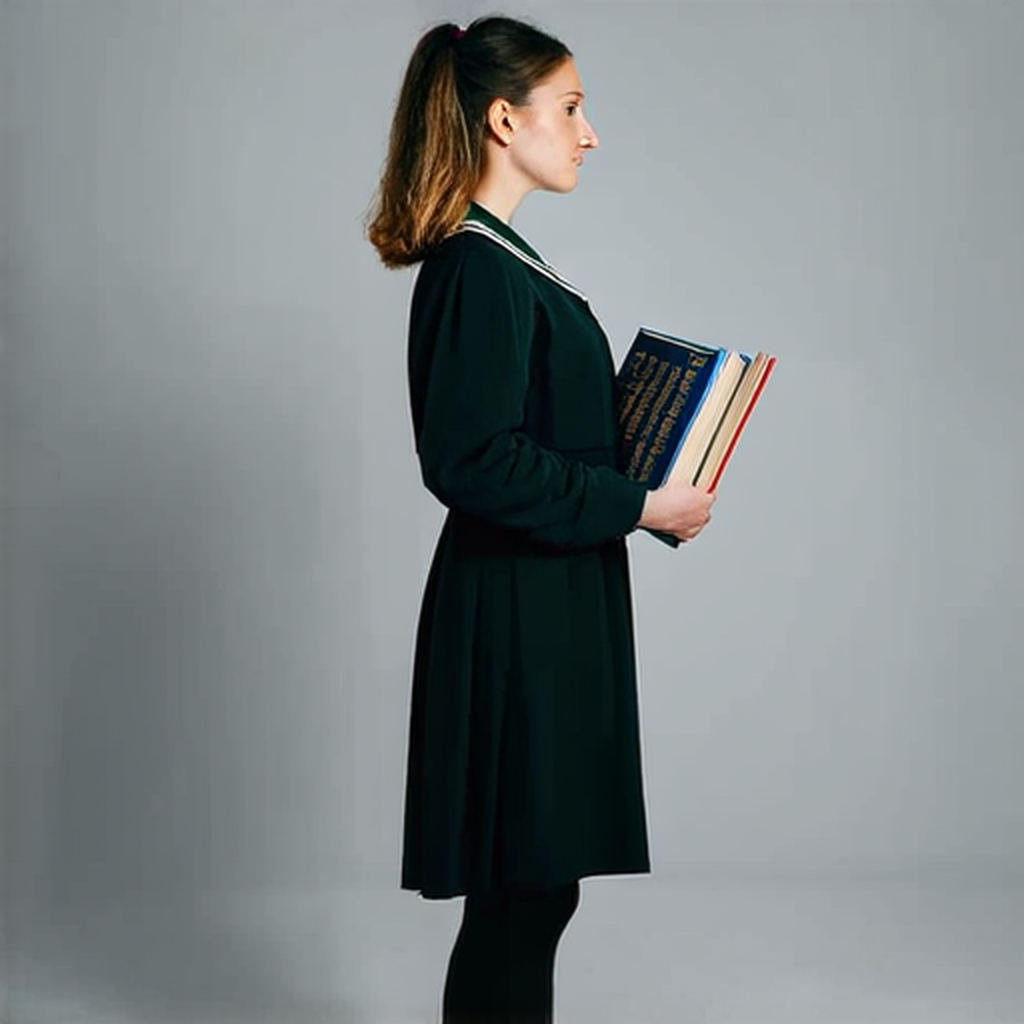
A standing model in a studio
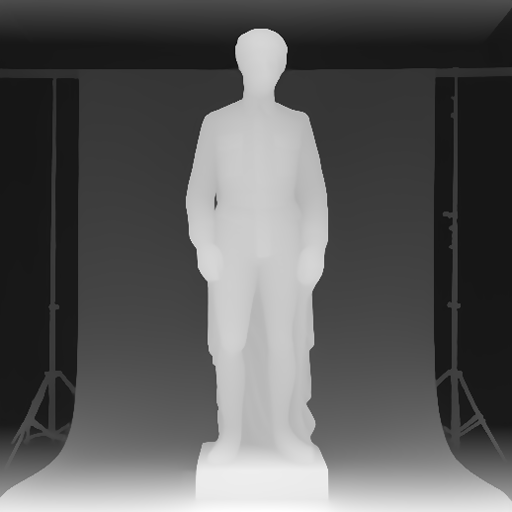
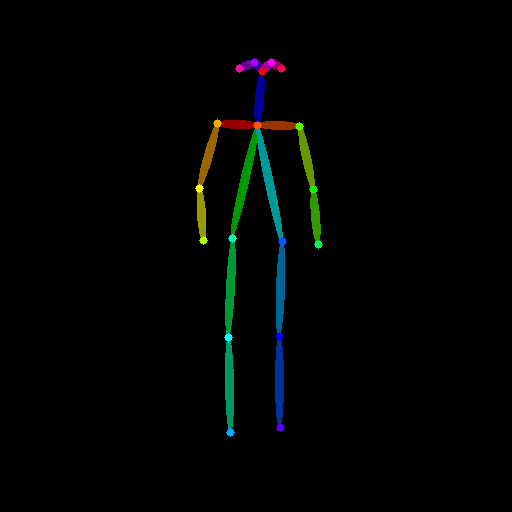
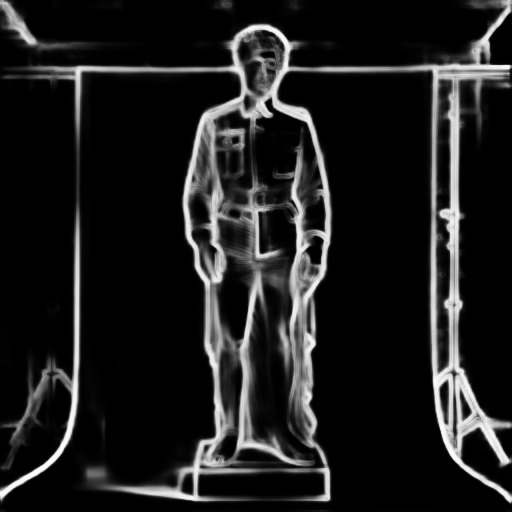
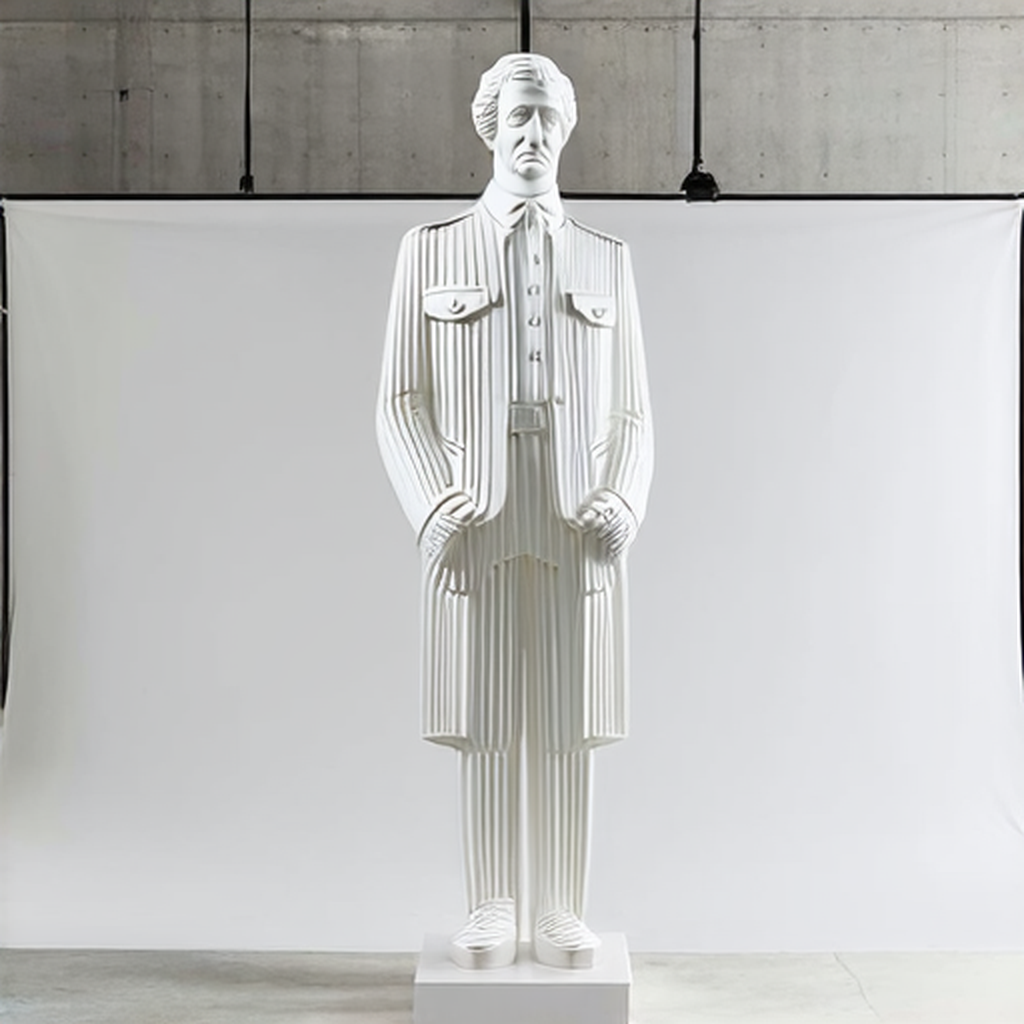
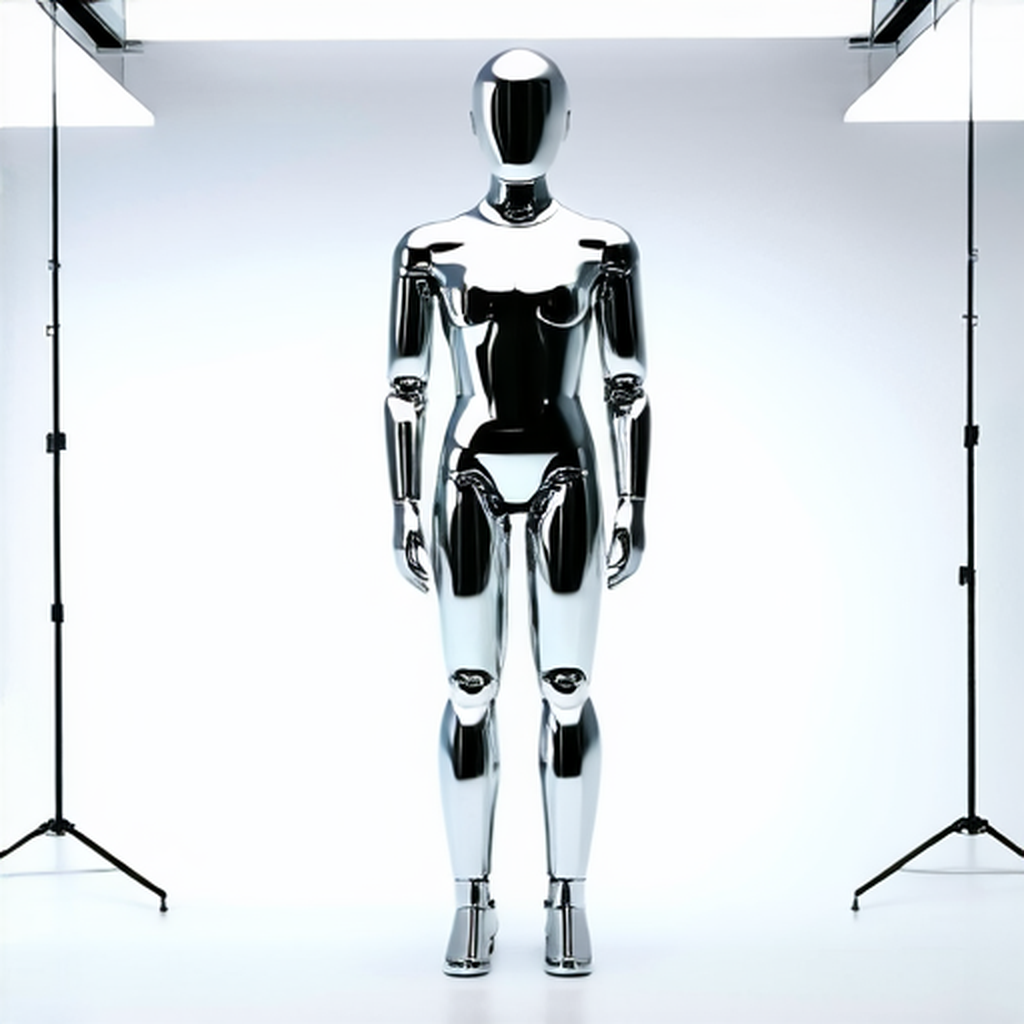
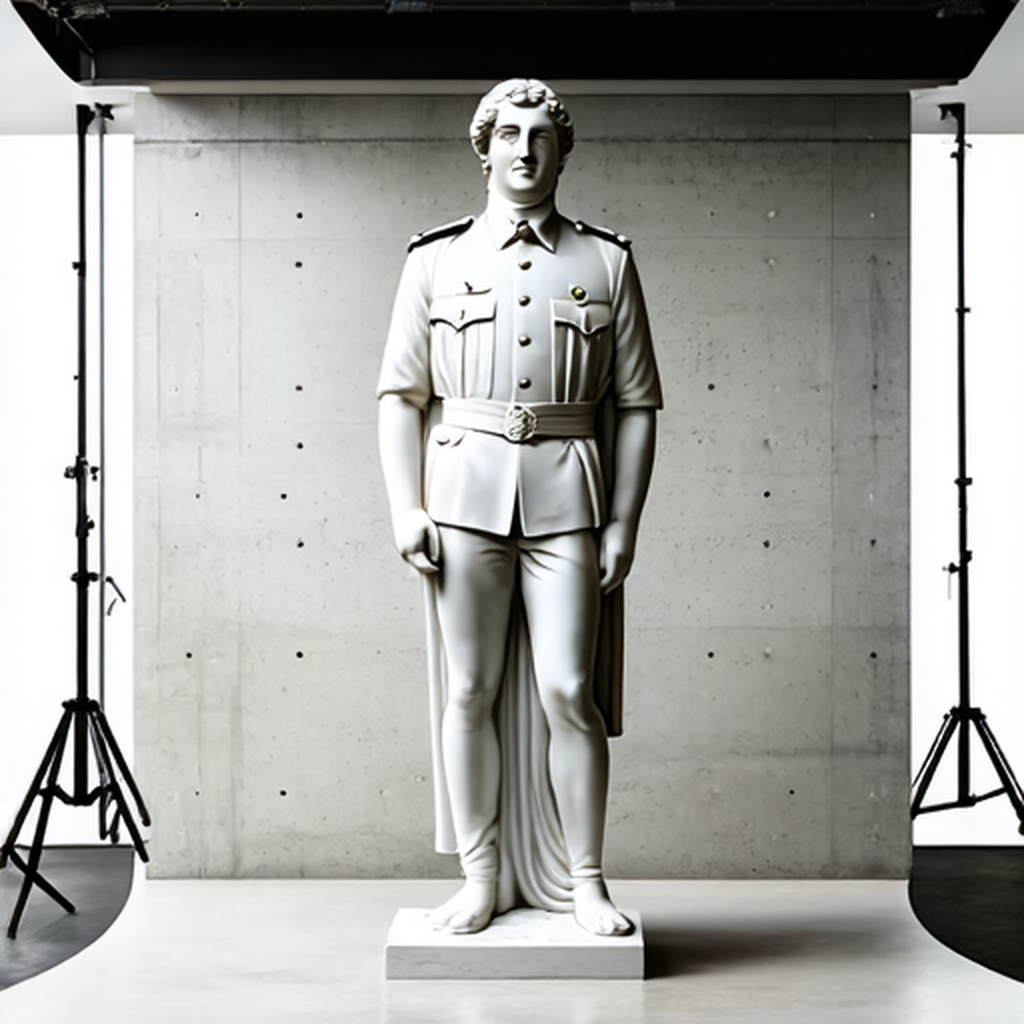
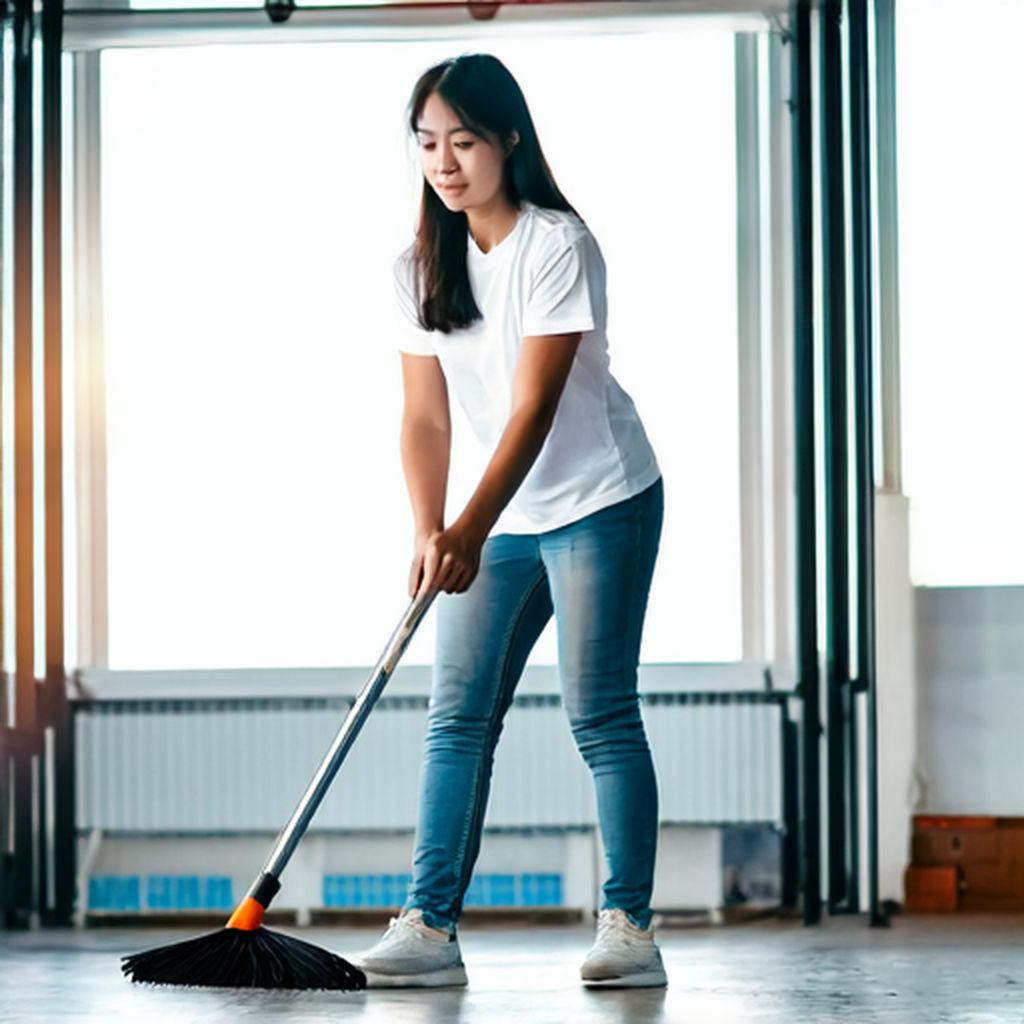
A girl sweeping
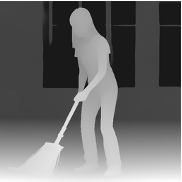
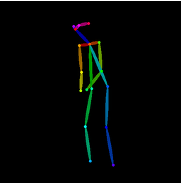
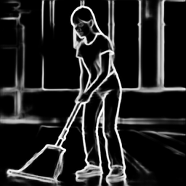

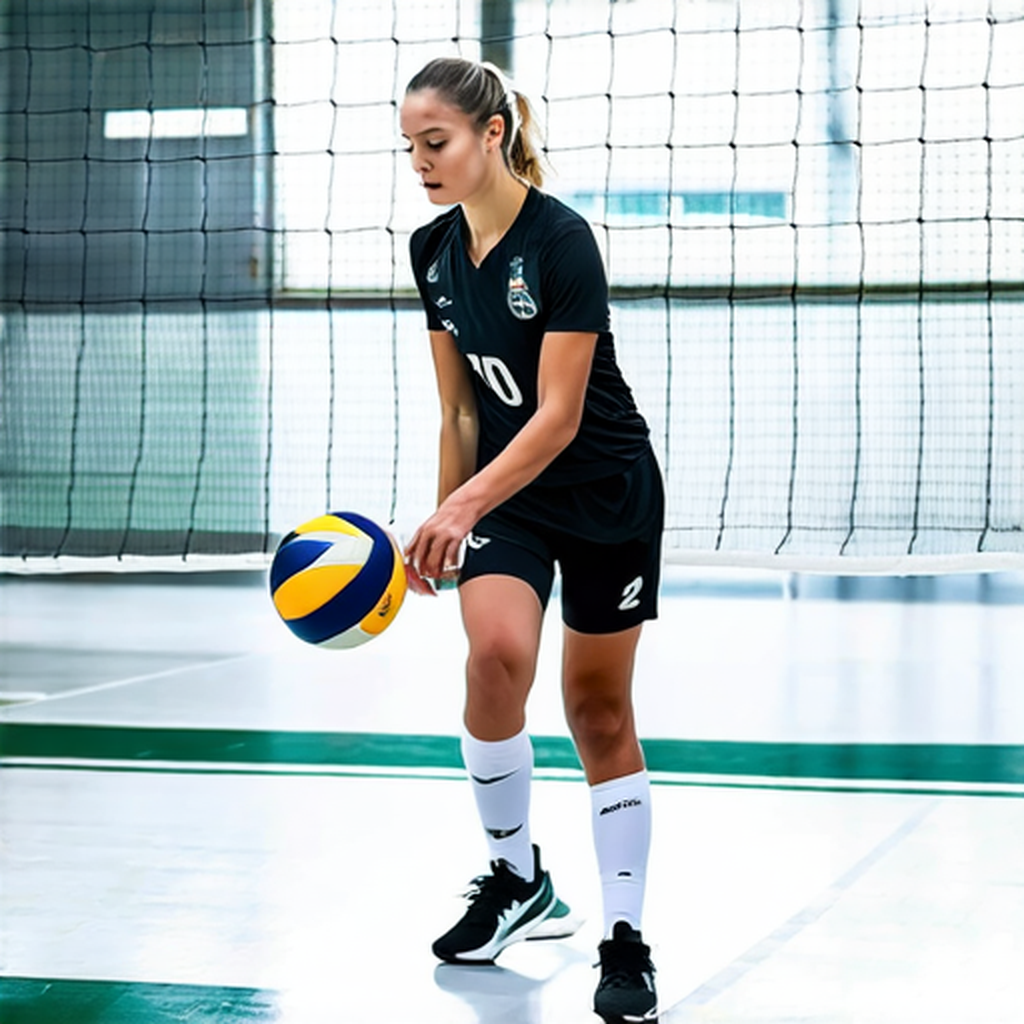
Since modern text-to-video models are built on top of DiTs, ReaDiT can seamlessly be applied to video generation. For each example we show the control signal, an unguided generation, and the ReaDiT-guided result.
ReaDiT can also be used to guide video generation given a motion input. For each example we show the input motion, an unguided generation and its captured motion, then the ReaDiT-guided result and its captured motion.
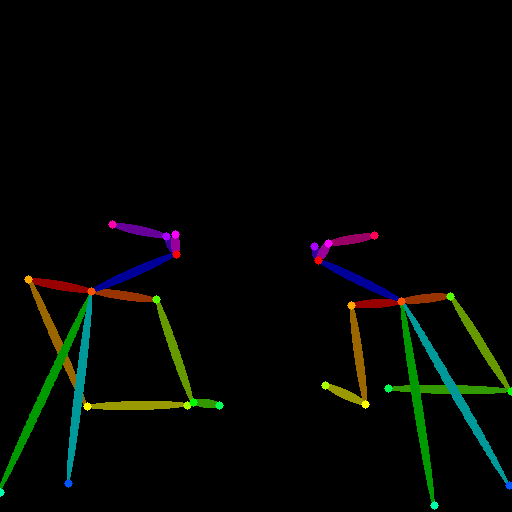
ReaDiT can jointly apply depth and pose guidance. Even when control maps come from different source images, it automatically decouples the two signals to produce coherent results.
Inconsistent — depth & pose from different source images
Depth reference
Pose reference
Depth, pose, and edge guided video generation on CogVideoX.
Spatial Video Guidance — Example 1
figures/spatial_video_deer_mural_rearrange.pdf (video coming soon)
Spatial Video Guidance — Example 2
figures/sp_video.pdf (video coming soon)
Spatial Video Guidance — Example 3
figures/suppl_Qualitative_video_result2.pdf (video coming soon)
Optical-flow guided video generation for camera and object motion control.
Motion Video Guidance — Camera Pan
figures/updated_castle_rearranged.pdf (video coming soon)
Motion Video Guidance — Object Motion
figures/sp_deer_dancer_rearrange.pdf (video coming soon)
Motion Video Guidance — Comparison
figures/compare_video_rearrange.pdf (video coming soon)
@misc{mahajan2026readitguidancecontrolimage,
      title={ReaDiT Guidance: Control for Image and Video Generation using Diffusion Transformer Features},
      author={Jay Mahajan and Chang Liu and Rauf Makharov and Viraj Shah and Alexander Schwing and Svetlana Lazebnik},
      year={2026},
      eprint={2609.04649},
      archivePrefix={arXiv},
      url={https://arxiv.org/abs/2609.04649}
}